
How to Find a Research Gap
A research gap is not "something nobody has studied". Learn how to spot real gaps in the literature, test them, and turn them into a clear gap statement.
Academic guidance for international students in Germany, France, the UK and Australia
One-to-one guidance, feedback and editing for your own essays, research and thesis, plus free guides and study tools. You stay the author; we help you think, structure and improve.
Supporting students in
 United KingdomDissertation
 GermanyBachelorarbeit & Masterarbeit
 FranceMémoire
 AustraliaThesis & assignments
Academic services
Twelve kinds of one-to-one guidance, from a first assignment to a final thesis chapter. Each helps you plan, understand or improve work that remains your own.
Writing & editing
Decode the brief, match it to the marking criteria and get feedback on a plan and draft you write yourself.
Writing & editing
Tracked edits for grammar, clarity and consistency, with explanations. Your content and arguments stay exactly as you wrote them.
Thesis & research
A second reader for your Bachelorarbeit, Masterarbeit, mémoire or dissertation, from first plan to final chapter.
Thesis & research
Detailed comments on one chapter at a time: its purpose, order, paragraph logic and how it connects to the rest of your work.
Thesis & research
Shape a research paper, project or proposal from broad idea to clear design and structure, in work you write yourself.
Sources & methods
Plan your search, judge your sources and organise your reading into a review that compares and argues, not just summarises.
Thesis & research
Move from a broad topic to a focused, answerable research question, and show the gap through your own reading.
Sources & methods
Choose and justify a qualitative, quantitative or mixed-methods design, and understand what your own results can show.
Sources & methods
Understand your referencing style, check your own citations and learn to paraphrase safely to avoid unintentional plagiarism.
Writing & editing
Learn to build an argument, analyse rather than describe and use evidence well, with feedback on writing you produce yourself.
Skills & AI use
Structure talks, slides and reports, present data clearly and prepare for questions or a defence, in work you create yourself.
Skills & AI use
Organise sources, notes and drafts, and work out how to use AI tools within your university's rules.
Service finder
Answer one or both questions to see which kinds of guidance usually fit. Suggestions come only from your answers; they are a starting point, not an assessment of your work, and nothing is stored or sent.
Prefer a step-by-step version? Try the Academic Support Finder
How guidance works
No account and no payment to ask a question. You get questions back, then a clear written scope and a quote. Nothing starts until you agree.
Step 1 of 4
Pick a service, or tell us the problem and we will suggest one.
Step 2 of 4
Your brief, marking criteria, draft or supervisor comments.
Step 3 of 4
Explanations, feedback, plans or language editing, as agreed.
Step 4 of 4
You decide what to change. The work stays yours.
Trust and privacy
Plain commitments on privacy, authorship and scope. Each one links to the policy behind it.
We use the information and files you send only to respond to and deliver your request. We do not sell your personal information or share your work for any other purpose.
Privacy policyOur privacy policy explains your rights under the UK GDPR and the EU GDPR. Files you share are kept only as long as your request needs, unless you ask us to delete them sooner.
Your data rightsEducational guidance only. We do not write or complete assessed work for submission. You remain the author and follow your university's academic-integrity and AI-use policies.
Our integrity policyNo account and no payment to ask a question. You get questions back, then a clear written scope and a quote. Nothing starts until you agree.
How it worksAcademicDudeChanakya Education Services
Free learning resources
Practical guides with illustrative examples, and tools that run in your browser. Use them on your own, whether or not you ever contact us.
From unpacking the question to final revision: a practical process for planning, structuring and writing university essays.
Move from summarising sources to synthesising them: search, organise, structure and write a review that leads to your question.
APA 7 in-text citations and reference list formats for articles, books, chapters and webpages, with clear placeholder examples.
Runs in your browser · nothing is sent
Try it here
Choose your deadline to see the days left and a stage-by-stage split.
A starting point only. Adjust stages, add milestones and export to your calendar in the full planner.
Turn your start date and deadline into a stage-by-stage timeline with milestones. Copy it, print it or add it to your calendar.
Narrow a broad topic into a focused, researchable question using population, context, focus and timeframe.
Format a reference in APA 7, MLA 9 or a common Harvard pattern from details you enter. It does not verify sources.
Paste a paragraph to flag long sentences, wordy phrases, vague words and passive constructions. Runs in your browser.
Academic learning hub
Clear explanations of research methods, critical writing, literature reviews and using AI within the rules.

A research gap is not "something nobody has studied". Learn how to spot real gaps in the literature, test them, and turn them into a clear gap statement.
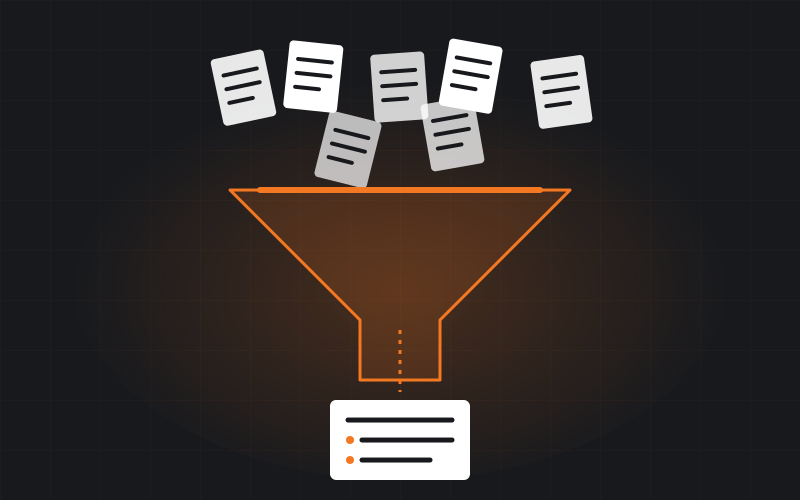
A literature review is not a list of summaries. Learn how to organise your sources into a clear structure that builds towards your research question.
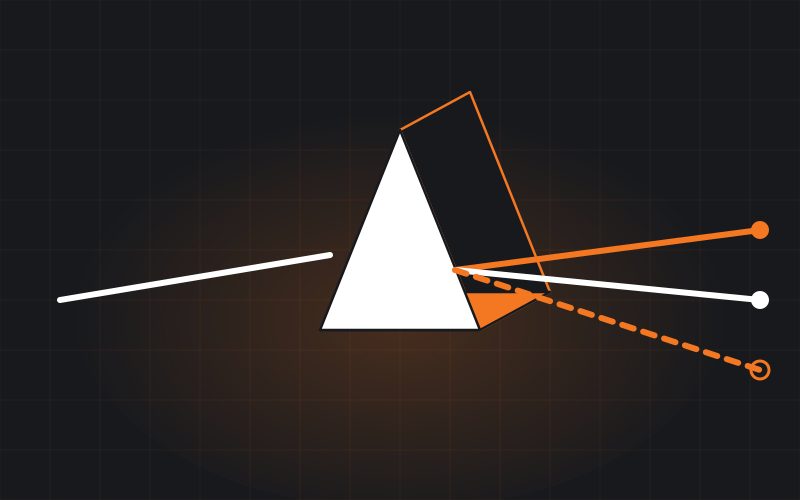
"Too descriptive" is one of the most common pieces of feedback students receive. Here is what critical writing actually means, and how to move from summary to analysis.
Academic integrity
Universities in Germany, France, the UK and elsewhere expect assessed work to be your own. Our guidance is designed to fit inside those rules, not to get around them.
Always follow your university's academic-integrity and AI-use policies. If you are unsure whether a kind of help is allowed, ask your module leader or supervisor first. Read our academic integrity policy.
Questions
Tap a question. The answer opens right under it, one at a time.
Still unsure?
Ask about your own task
Our assistant answers general questions straight away. For your own work, send an enquiry and we reply with questions and a quote.
AcademicDude answers
Academic guidance means helping you understand and improve your own work. Depending on what you need, we can explain an assignment brief, help you plan a structure, give feedback on a draft, guide your research approach or edit for language, clarity and formatting. You stay the author throughout. You can see the full range on our services overview.
AcademicDude answers
No. We do not write or complete assessed work for submission, and we will decline requests that ask us to. What we can do is help you understand the task, plan your approach, give feedback on your drafts and improve the language of writing you have produced yourself. Our academic integrity page explains where we draw the line and why.
AcademicDude answers
Editing improves how your existing writing communicates: grammar, spelling, punctuation, sentence clarity, consistency and formatting. Rewriting changes your ideas, arguments or content, and for assessed work that would no longer be your own writing. We edit and comment; where an argument needs developing, we explain the issue so that you can revise it yourself. Our editing and proofreading service describes this in more detail.
AcademicDude answers
It depends on the length and type of work, the kind of help you need and your deadline. We confirm a realistic timeline in your quote before you agree to anything. If we cannot meet your deadline properly, we tell you rather than rushing the work. Contacting us early gives you the most options.
AcademicDude answers
We use the information and files you send only to respond to and deliver your request. We do not sell your personal information or share your work for any other purpose. Our privacy policy explains how we handle your data.
AcademicDude answers
No. The planning and writing tools on our tools page run in your browser, so the text you type is not sent to us or stored on a server. Remember to copy or save anything you want to keep before you close the page.
Get academic guidance
Share your task and where you are stuck. We reply with any questions, then a clear scope and quote. Nothing starts until you agree.
Please do not send login details or anything you would not want shared. See our privacy policy.
Stay connected
Follow us for short writing and research tips, or message us about your own work. We reply with questions and a clear quote before anything starts.